
Understanding the Common Misconceptions About Hybrid and EV Repairs


Introduction to Hybrid and EV Repairs
With the rise of hybrid and electric vehicles (EVs), many drivers are transitioning to these eco-friendly options. However, there are several misconceptions about the maintenance and repair of these vehicles. Understanding these misconceptions is crucial for both current and prospective owners.
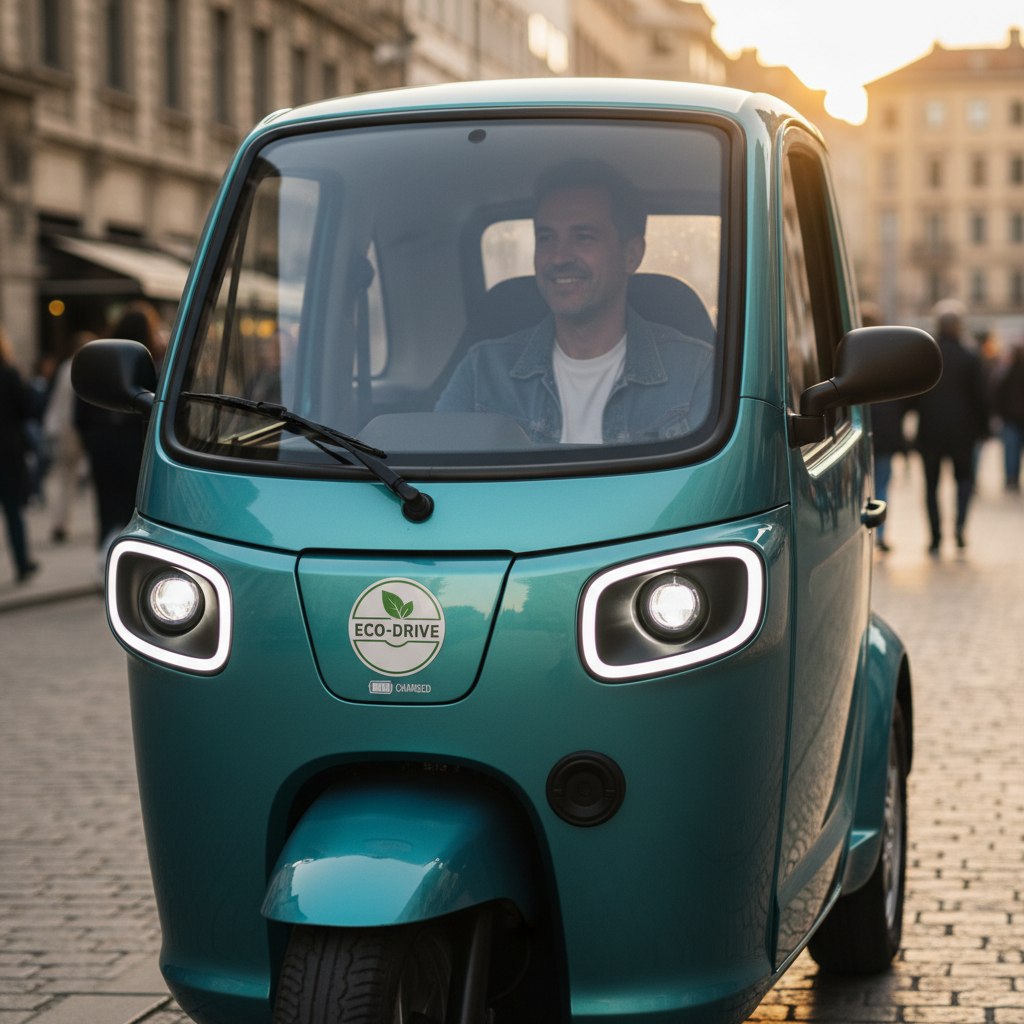
Misconception 1: Hybrid and EV Repairs Are Extremely Expensive
A common belief is that repairing hybrids and EVs is significantly more expensive than conventional vehicles. While it's true that some components, like the battery, can be costly, many other repairs are comparable in price. In fact, hybrids and EVs often require less frequent maintenance, which can balance out costs over time.
Regular Maintenance Savings
Another important aspect to consider is the long-term savings on routine maintenance. Hybrids and EVs generally have fewer moving parts, which means fewer things can go wrong. This results in lower costs for oil changes and brake replacements.
Misconception 2: Only Dealerships Can Handle Repairs
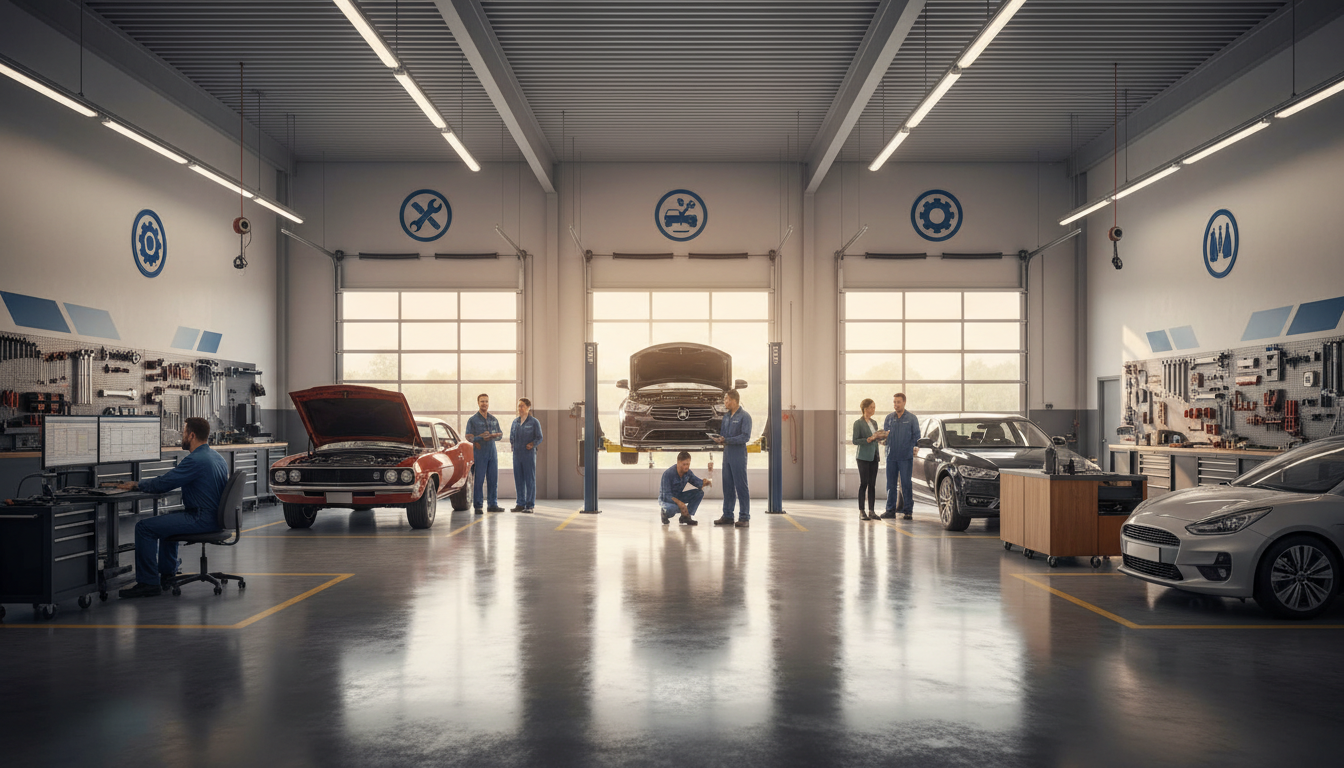
Many people believe that only dealerships have the expertise to repair hybrids and EVs. While dealerships certainly have specialized knowledge, many independent repair shops now have trained technicians who can effectively service these vehicles. It's essential to do your research and choose a repair shop with certified professionals.
Training and Certification
Repair technicians are increasingly obtaining certifications to work on hybrid and EV systems. Look for repair shops with technicians who are accredited by organizations such as the National Institute for Automotive Service Excellence (ASE).
Misconception 3: Battery Replacement Is Inevitable and Frequent
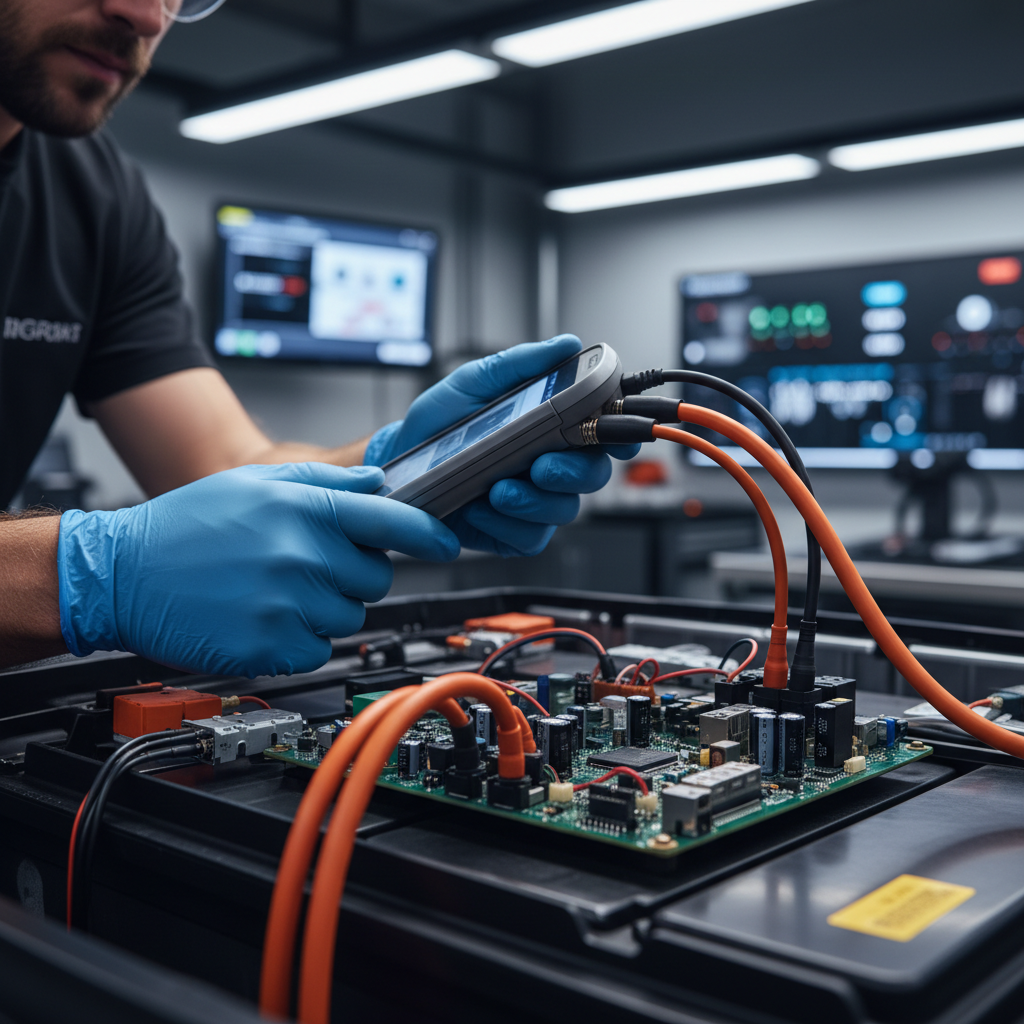
Another widespread misconception is that hybrid and EV batteries need to be replaced often. In reality, most batteries are designed to last for many years. Manufacturers typically offer warranties ranging from 8 to 10 years, or 100,000 miles, providing peace of mind for vehicle owners.
Battery Longevity Tips
To extend the life of your vehicle's battery, avoid extreme temperatures and keep the battery charged between 20% and 80%. Regular maintenance checks can also help in identifying potential issues early.
Conclusion
Understanding the common misconceptions about hybrid and EV repairs can help you make informed decisions. Whether you're considering purchasing a hybrid or EV, or simply seeking to maintain your current vehicle, having accurate information is key. As technology continues to advance, repairing and maintaining these vehicles will likely become even more accessible and cost-effective.