
How to Perform Basic EV Diagnostics at Home


Understanding EV Diagnostics
With electric vehicles (EVs) becoming increasingly popular, knowing how to perform basic diagnostics at home can save you time and money. While professional help is sometimes necessary, many routine checks and fixes can be done on your own. This guide will walk you through some essential steps.
The key to successful EV diagnostics is understanding the main components of your vehicle. EVs have a different setup compared to traditional cars, with parts like the battery pack, electric motor, and charging system being central to their operation.
Checking the Battery Health
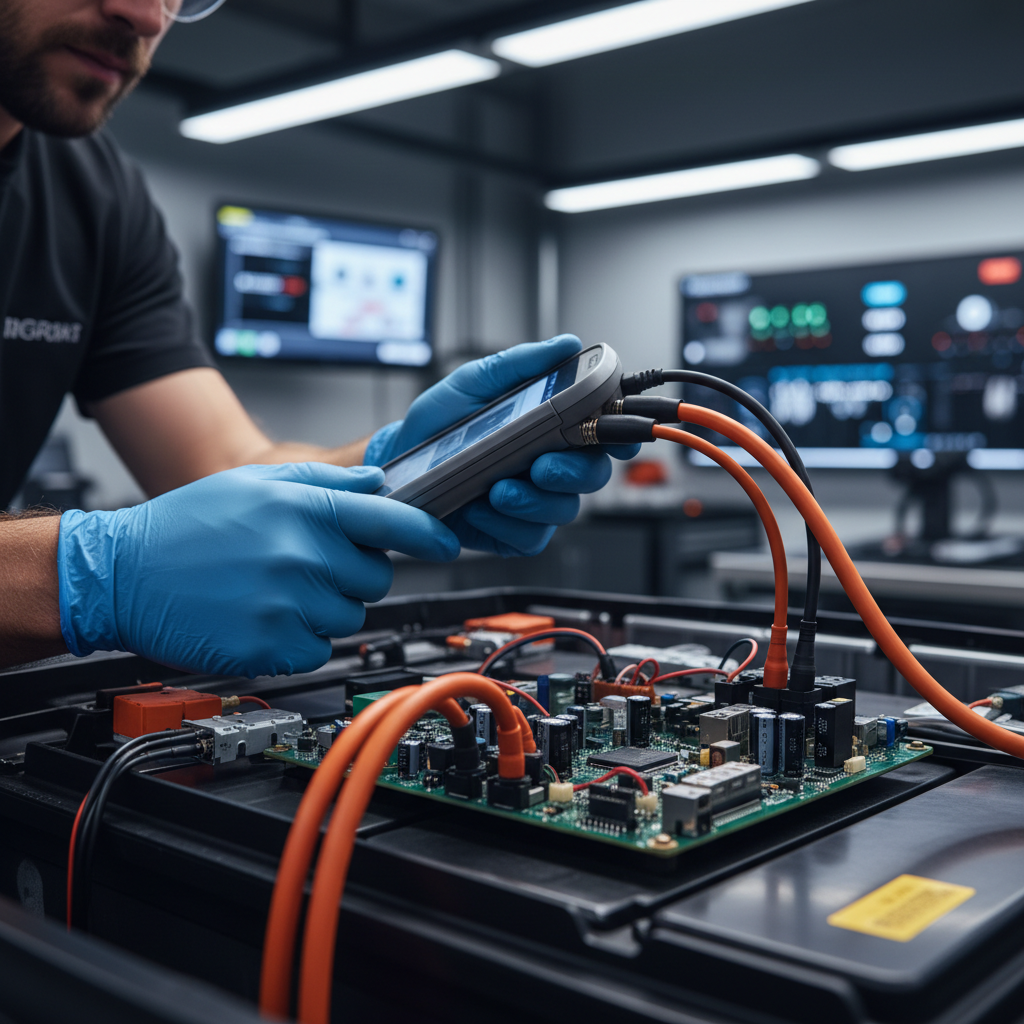
The battery is the heart of your EV. Monitoring its health is crucial for optimal performance. You can use an OBD-II scanner compatible with EVs to check the battery's state of charge (SOC) and state of health (SOH).
Most modern EVs come with a built-in battery management system (BMS) that provides detailed information. Regularly checking these metrics can help you identify any issues early on. Look out for significant drops in range or unusual charging behavior, as these can indicate battery problems.
Inspecting the Charging System
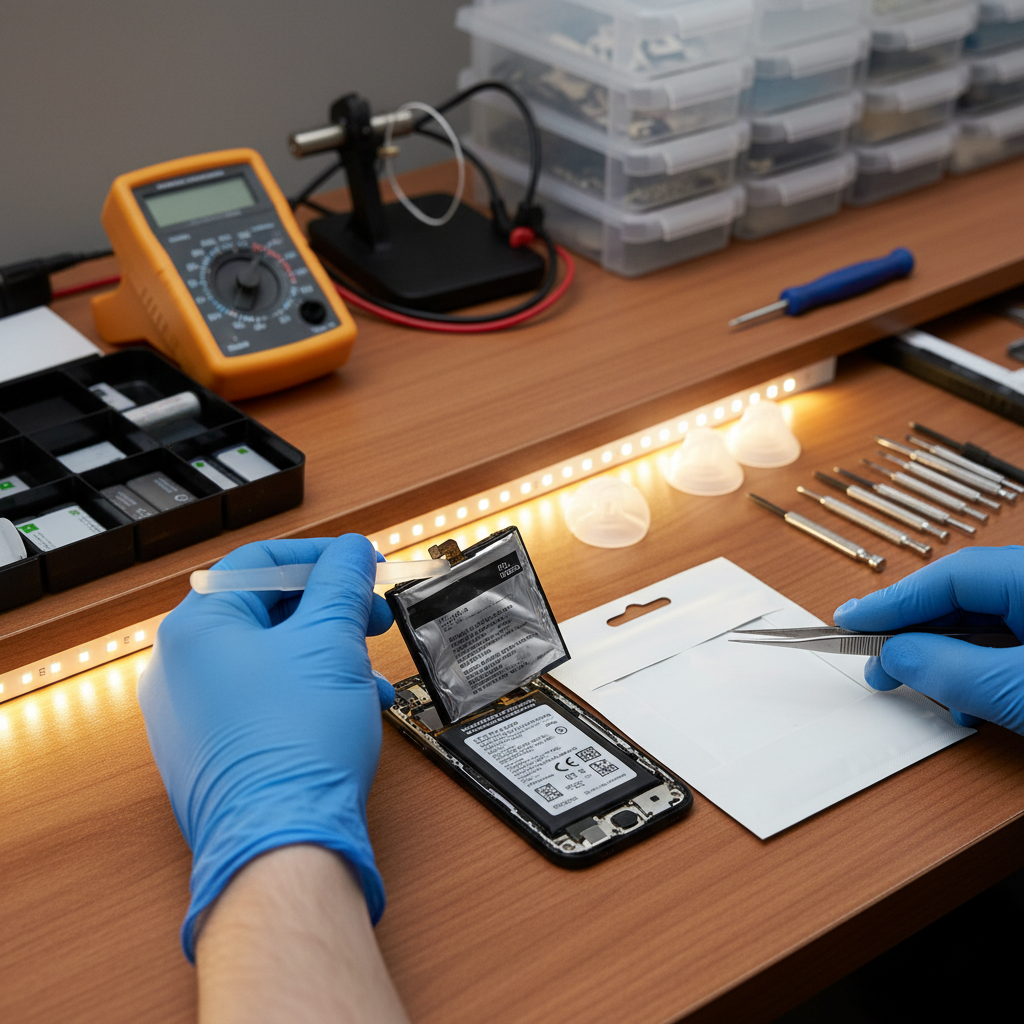
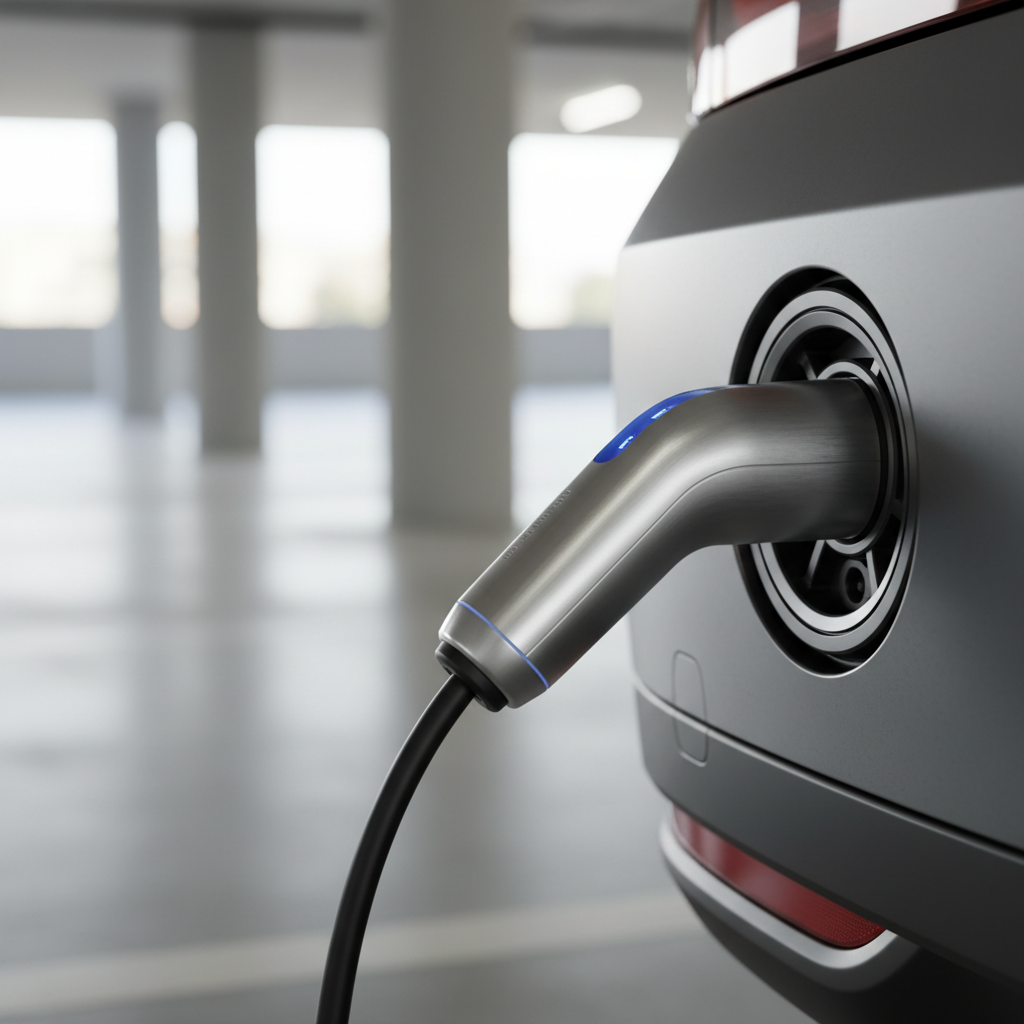
The charging system is another critical aspect of EV maintenance. Ensure that your home charger and any cables are in good condition. Check for any visible damage, such as frayed wires or loose connections, which can affect charging efficiency.
Also, perform a routine check on the charging port of your EV. Ensure it is clean and free of debris. A clean connection will ensure that your vehicle charges efficiently and safely.
Monitoring the Electric Motor
The electric motor is what powers your EV, and keeping it in good shape is essential. Listen for any unusual sounds while driving, as they can indicate motor issues. Grinding or whining noises are often signs of trouble.
If you suspect a problem, it may be necessary to consult your vehicle’s manual for specific troubleshooting steps. Regular maintenance checks can often prevent more serious issues from developing.
Utilizing Diagnostic Tools
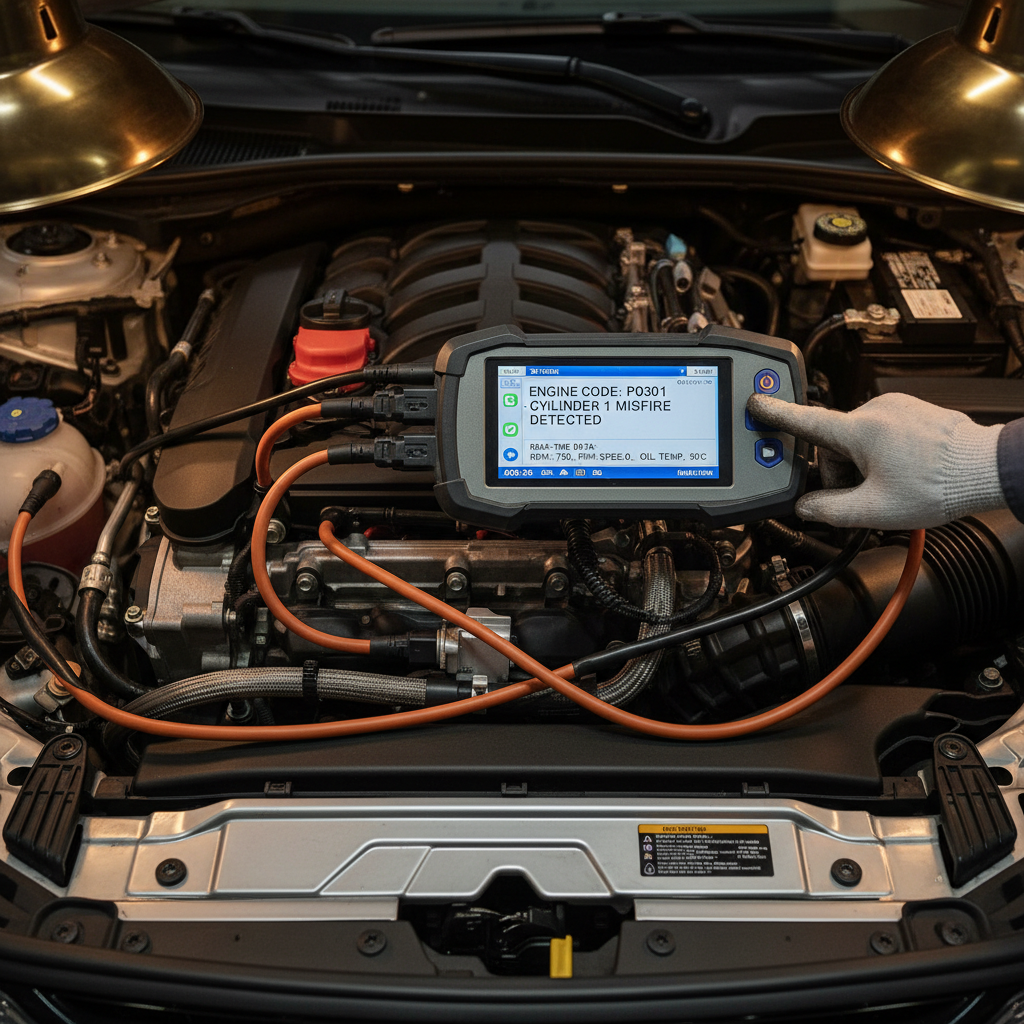
Investing in a good diagnostic tool can make home diagnostics much easier. These tools can connect to your vehicle's onboard systems and provide real-time data. They can help you identify any error codes or issues that might not be immediately apparent.
When using diagnostic tools, ensure they are compatible with your specific EV model. Many manufacturers offer proprietary apps and software that can be very useful in performing detailed diagnostics.
Keeping Software Updated
EVs rely heavily on software for their operation. Regularly updating your vehicle’s software can resolve minor issues and improve performance. Manufacturers often release updates that can enhance battery management, increase range, and fix bugs.
Check your vehicle’s infotainment system or consult the user manual to learn how to update the software. Keeping your EV’s software up to date is a simple yet effective way to ensure everything runs smoothly.

Conclusion
Performing basic EV diagnostics at home can empower you as an EV owner, giving you the knowledge to handle minor issues independently. By regularly checking the battery, monitoring the electric motor, and keeping your software updated, you can ensure that your EV remains in optimal condition. Remember, while these steps are helpful, don’t hesitate to seek professional assistance for complex issues.