
Exploring the Latest Trends in Hybrid and EV Technology


The Rise of Hybrid and EV Technology
The automotive industry is undergoing a transformative shift with the increasing popularity of hybrid and electric vehicles (EVs). As consumers become more environmentally conscious, the demand for sustainable and efficient vehicle options has skyrocketed. This trend is driving innovation and pushing manufacturers to develop cutting-edge technologies that promise a cleaner future.
Advancements in Battery Technology
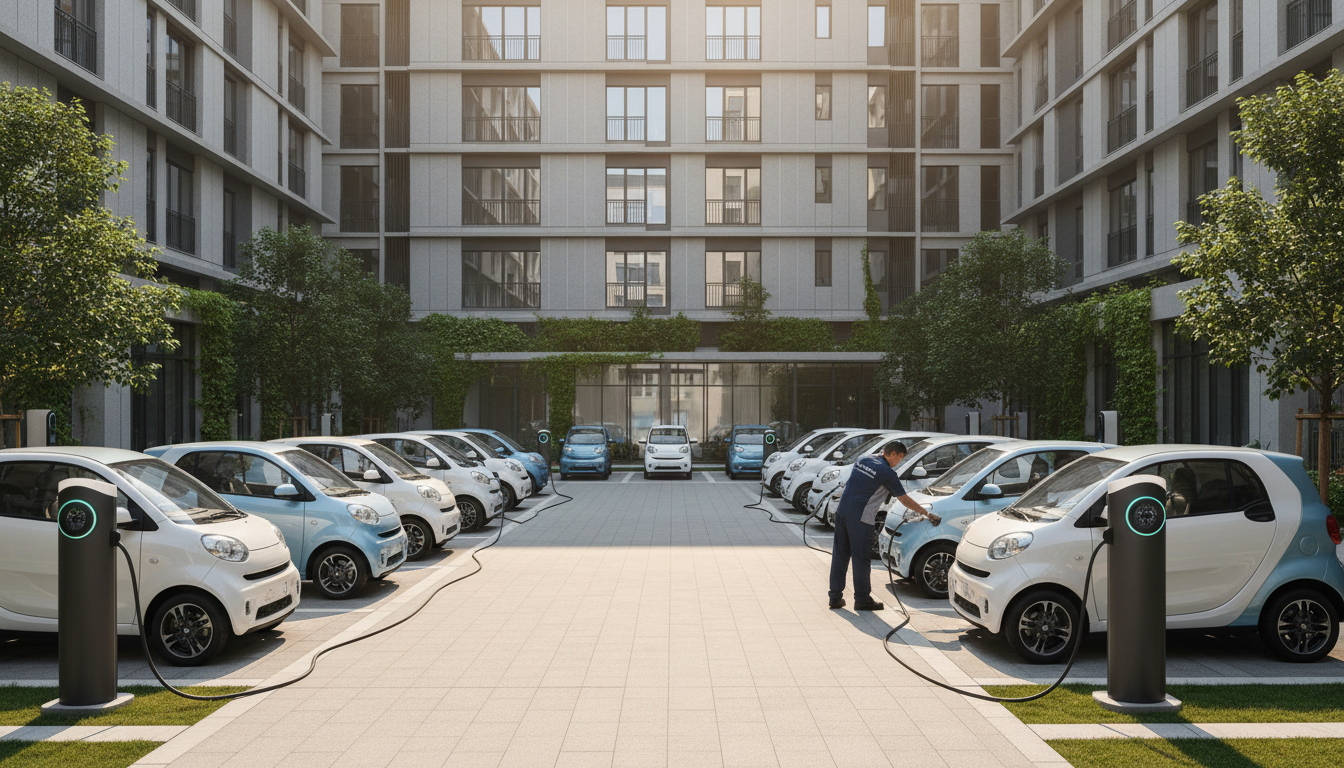
One of the most significant developments in hybrid and EV technology is the improvement in battery systems. Modern batteries are becoming more efficient, providing longer ranges and reducing charging times. Lithium-ion batteries remain the industry standard, but new alternatives like solid-state batteries are emerging, offering greater energy density and safety.
These advancements are crucial for the widespread adoption of EVs, addressing common concerns like range anxiety and charging infrastructure limitations. As battery technology continues to evolve, the potential for more affordable and accessible electric vehicles grows.
Smart Charging Solutions
With the proliferation of EVs, the need for efficient charging solutions has become more pressing. Smart charging technology allows for better energy management by optimizing the charging process. This technology enables vehicles to charge during off-peak hours, reducing the strain on the grid and lowering electricity costs for consumers.
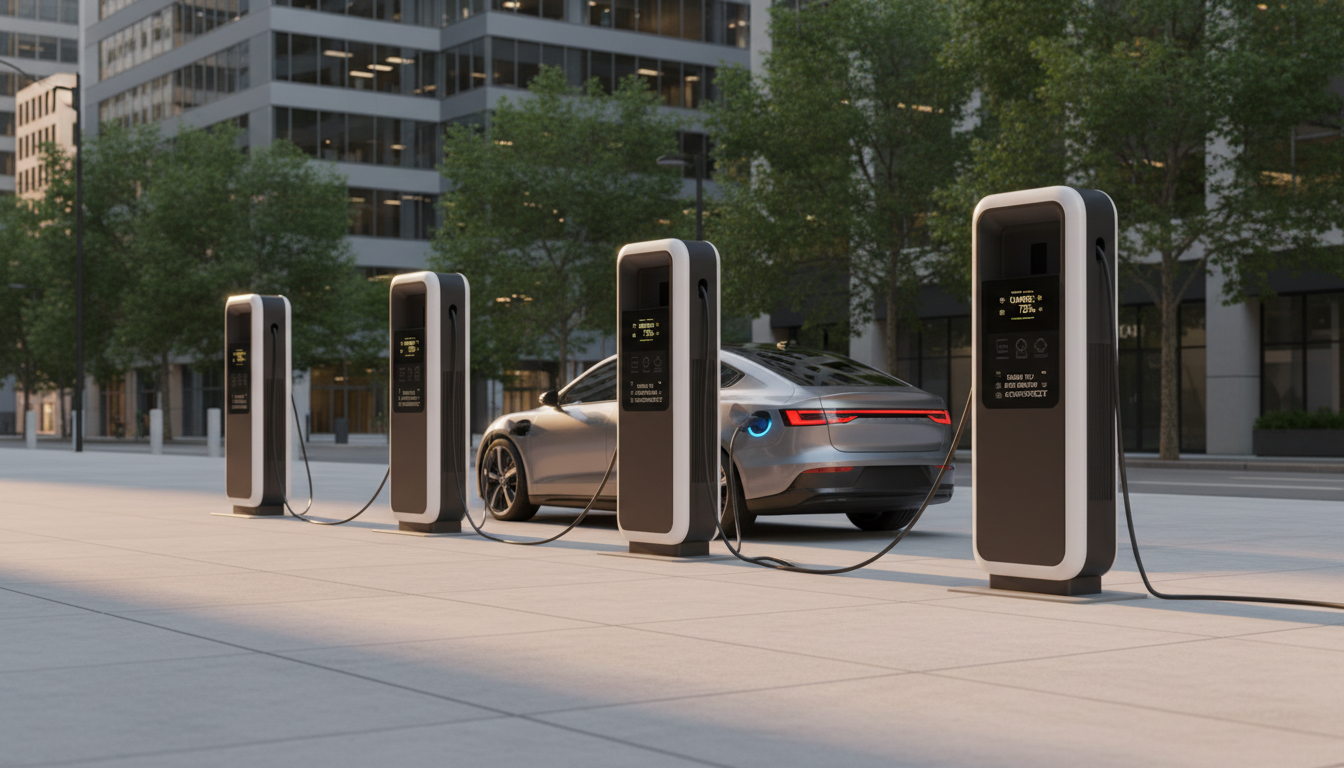
Additionally, the integration of renewable energy sources into charging stations is gaining traction. Solar-powered charging stations, for instance, offer a sustainable and eco-friendly solution, further reducing the carbon footprint of electric vehicles.
Integration of AI and Connectivity
The integration of artificial intelligence (AI) and connectivity in hybrid and EV technology is revolutionizing the driving experience. AI systems can analyze driving patterns, optimize energy usage, and provide real-time feedback to enhance efficiency. Connectivity features, such as over-the-air updates, keep vehicles up-to-date with the latest software improvements.
Moreover, connected cars can communicate with each other and infrastructure, paving the way for smart cities and improved traffic management. This connectivity not only enhances convenience but also contributes to safer and more efficient transportation systems.

The Future of Autonomous Electric Vehicles
Autonomous driving technology is another area where hybrid and EV advancements are making significant strides. These vehicles leverage sensors, cameras, and AI to navigate roads with minimal human intervention. While fully autonomous vehicles are still in development, many EVs already feature semi-autonomous capabilities, such as adaptive cruise control and lane-keeping assist.
The combination of electric power and autonomous technology promises to redefine personal and public transportation, offering a glimpse into a future where vehicles are not only eco-friendly but also self-driving.
Conclusion
The latest trends in hybrid and EV technology highlight the automotive industry's commitment to sustainability and innovation. With advancements in battery technology, smart charging solutions, AI integration, and autonomous capabilities, the future of transportation is set to be cleaner, smarter, and more efficient. As these technologies continue to evolve, they hold the promise of transforming the way we travel and interact with our environment.