
Expert Advice: Common Misconceptions About EV Maintenance


The Truth About EV Maintenance
The rise of electric vehicles (EVs) has sparked numerous conversations about their benefits, including reduced emissions and lower fuel costs. However, many misconceptions about EV maintenance still persist. Understanding these myths is crucial for both current and prospective EV owners.
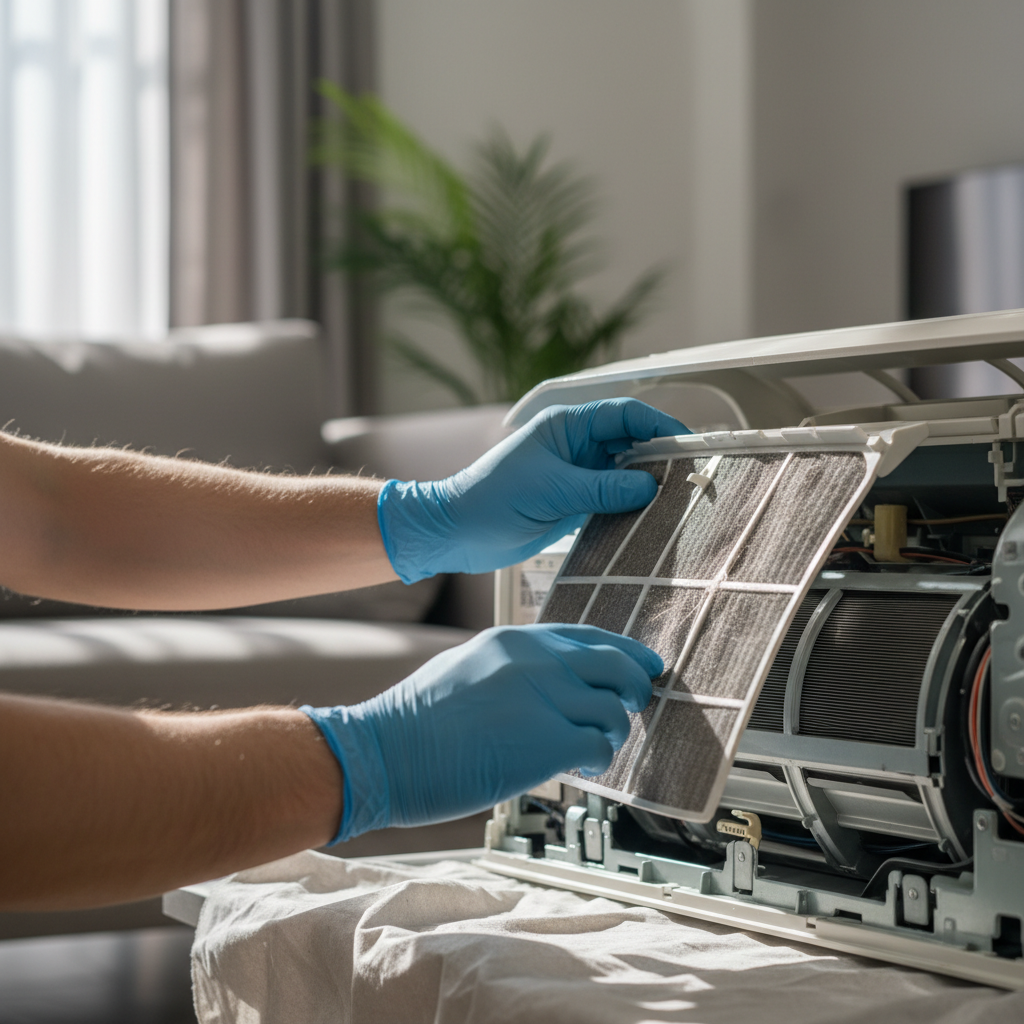
Misconception 1: EVs Require More Maintenance Than Gasoline Cars
One common myth is that EVs need more frequent and costly maintenance than traditional vehicles. In reality, EVs have fewer moving parts, which means there are fewer components that can wear out or break. For example, EVs do not require oil changes, fuel filters, spark plugs, or timing belts, thereby reducing routine maintenance tasks and costs.
Most EVs primarily need regular software updates, tire rotations, and brake pad replacements. These tasks are typically less frequent and less expensive compared to the maintenance required for gasoline vehicles.
Misconception 2: EV Batteries Need Frequent Replacement
Another widespread belief is that EV batteries need to be replaced often, leading to high expenses. In fact, modern EV batteries are designed to last for many years. Most manufacturers offer warranties that cover battery life for up to eight years or 100,000 miles, ensuring peace of mind for drivers.
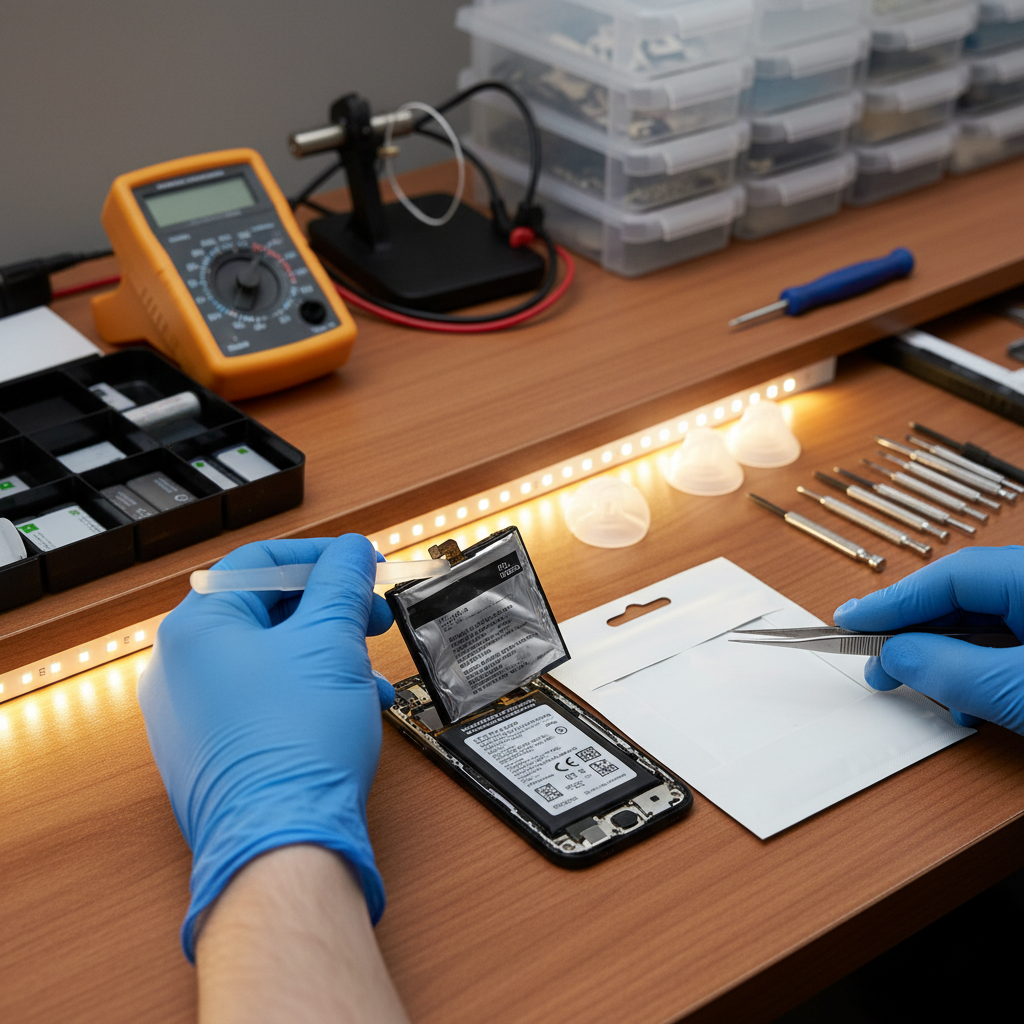
Additionally, advances in battery technology are continuously improving the lifespan and efficiency of EV batteries. Many EVs on the road today continue to perform well even after several years of use, and battery recycling programs are becoming more prevalent, further mitigating environmental concerns.
Misconception 3: EVs Are More Prone to Breakdowns
Some people believe that because EVs use advanced technology, they are more likely to break down. However, the simplicity of their design often means fewer opportunities for mechanical failure. With fewer components like transmissions and exhaust systems, the likelihood of breakdowns is significantly reduced.
Proper Maintenance Practices for EVs
To ensure optimal performance, it’s important to adhere to a few key maintenance practices:
- Regularly check and maintain tire pressure to improve efficiency and lifespan.
- Monitor brake pads, as regenerative braking systems can extend their life significantly.
- Keep software updated to benefit from the latest features and improvements.
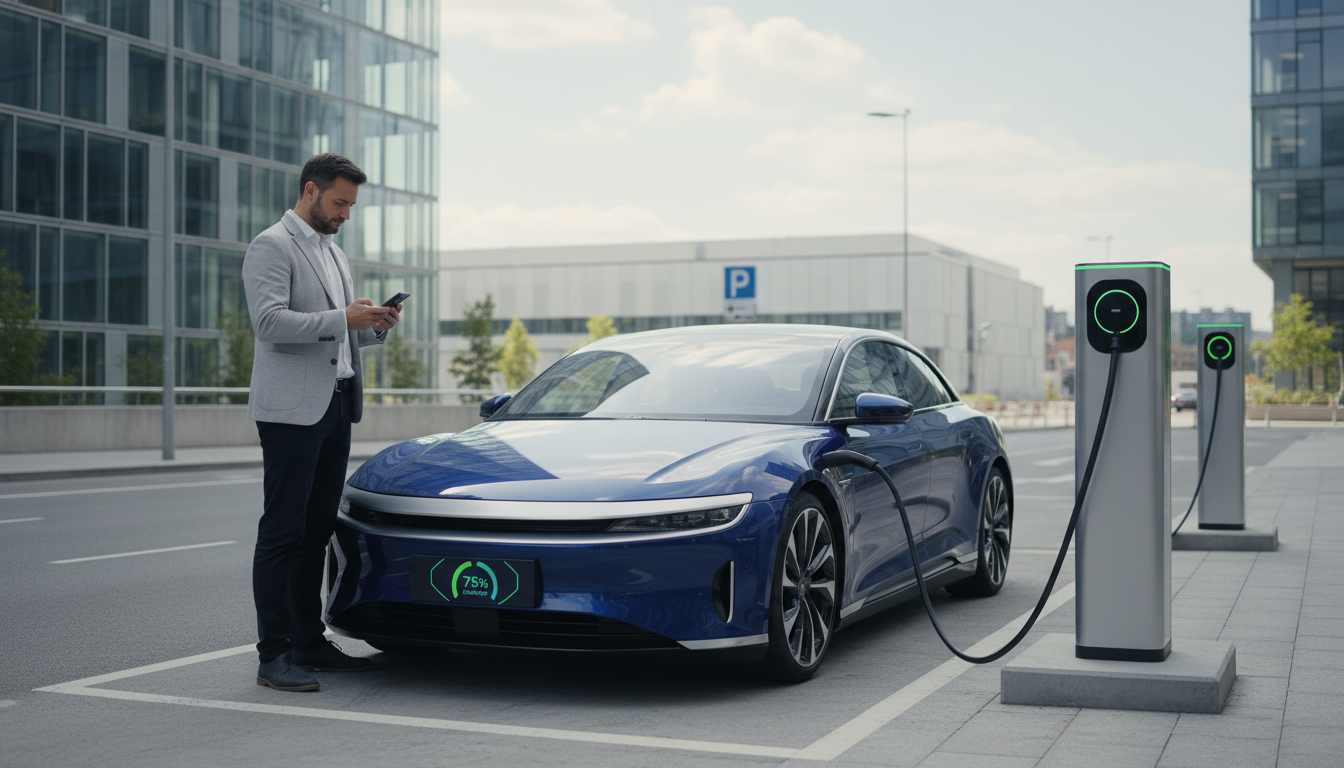
Conclusion: Embracing the Future
Understanding the realities of EV maintenance can alleviate concerns and help more drivers embrace this innovative technology. As the automotive industry continues to evolve, staying informed about these advancements will enable consumers to make educated decisions that best suit their needs.
With fewer maintenance requirements and ongoing improvements in technology, EVs offer a reliable and eco-friendly alternative to traditional vehicles. By debunking these common misconceptions, we can pave the way for a cleaner, more efficient future.