
DIY Tips for Basic EV Maintenance at Home


Understanding Your Electric Vehicle
As electric vehicles (EVs) become increasingly popular, understanding basic maintenance can help you extend your car's life and ensure it runs smoothly. While EVs require less maintenance than traditional vehicles, there are still some essential tasks you can manage at home.
Before diving into maintenance, familiarize yourself with your EV's manual. It contains crucial information specific to your vehicle model, including maintenance schedules and safety guidelines. Keeping the manual handy will be invaluable as you perform the following tasks.
Battery Care and Management
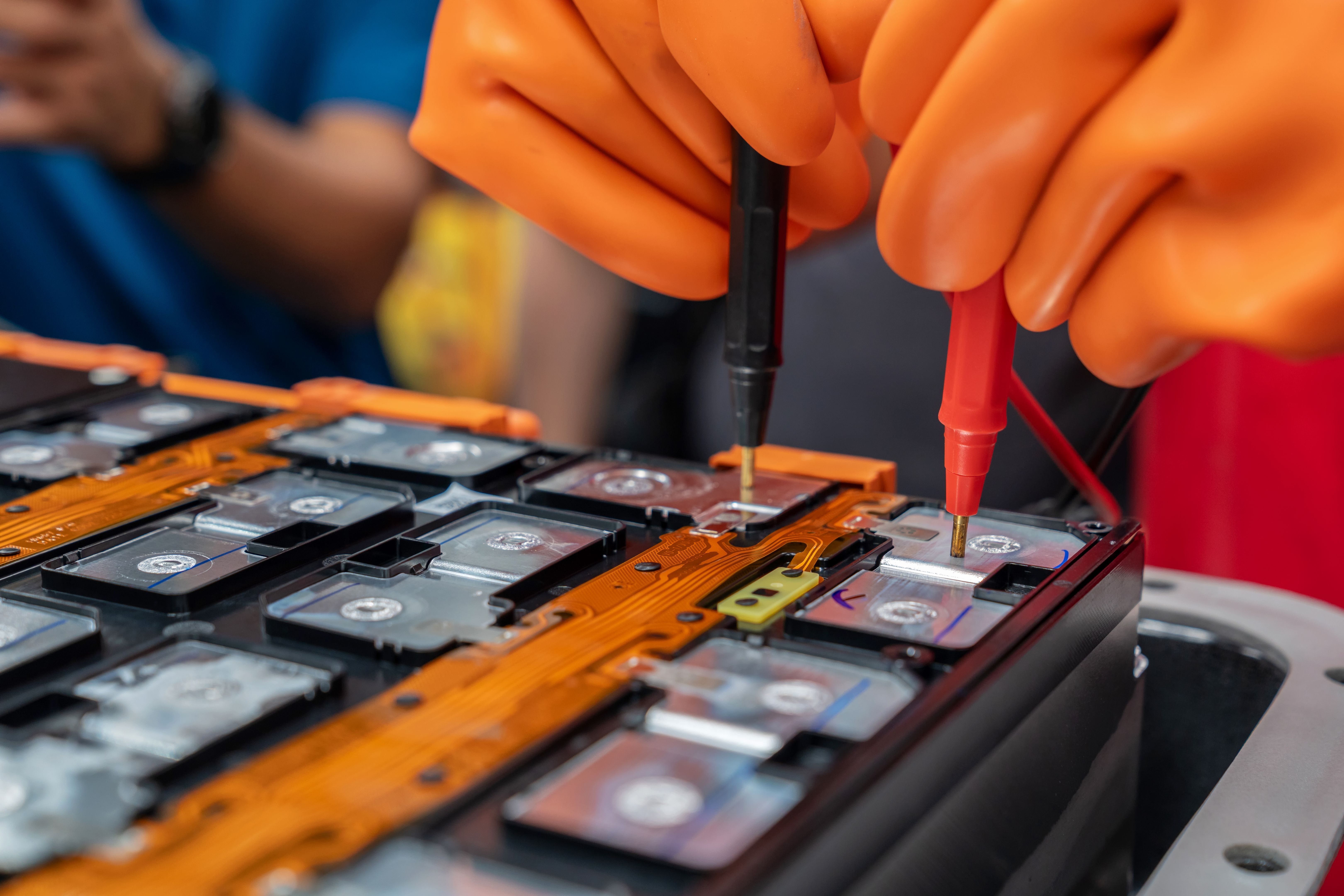
The battery is the heart of your EV. Proper care can significantly enhance its performance and longevity. Regularly check for any visible corrosion or damage around the battery area. If you notice any issues, consult a professional immediately.
To maintain battery health, avoid exposing your EV to extreme temperatures for extended periods. Parking in a garage or shaded area can help protect the battery from harsh weather conditions. Additionally, try to keep the battery charge between 20% and 80% to maximize its lifespan.
Charging Tips
When it comes to charging, use a dedicated home charger if possible. This ensures a stable and safe charging process. Avoid using extension cords, as they can pose a safety hazard and damage the vehicle's electronic systems.
If you're planning a long trip, ensure your EV is fully charged before departure. Always keep an eye on the charging cable for wear and tear, and replace it if necessary.
Tire Maintenance
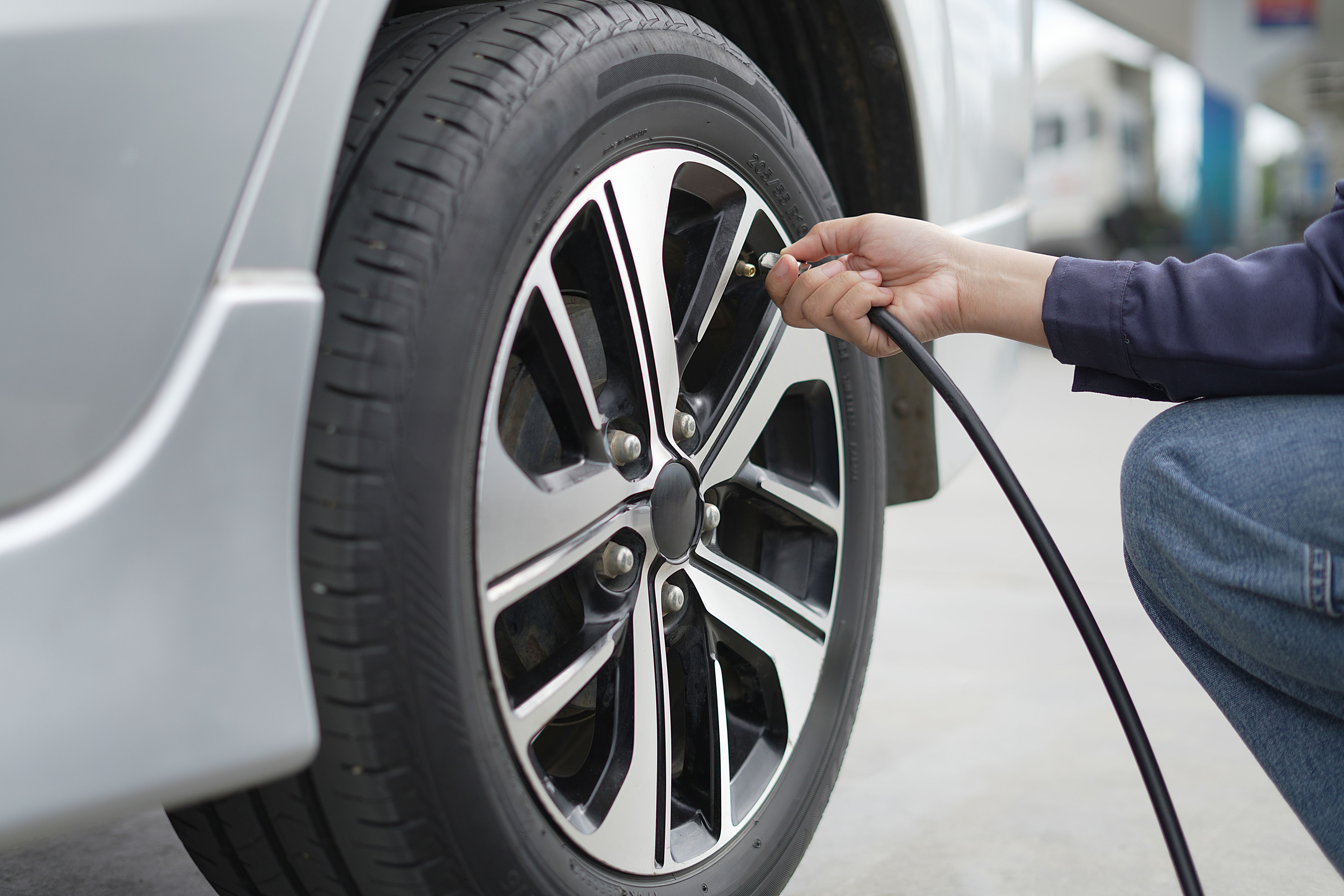
Just like any other vehicle, your EV's tires require regular attention. Check tire pressure at least once a month. Properly inflated tires ensure optimal performance and range. Refer to your manual for the recommended tire pressure.
Additionally, inspect the tire tread for wear and rotate your tires every 6,000 to 8,000 miles to promote even wear. This not only extends the life of your tires but also contributes to a smoother and safer ride.
Brake System
Thanks to regenerative braking, EVs experience less wear on brake pads compared to traditional vehicles. However, it's still important to check your brakes regularly. Listen for unusual sounds and be alert to any changes in braking performance.
Regular inspections can help you identify when it's time to replace brake pads. If you're unsure, consult with a professional mechanic who specializes in EVs.
Software Updates
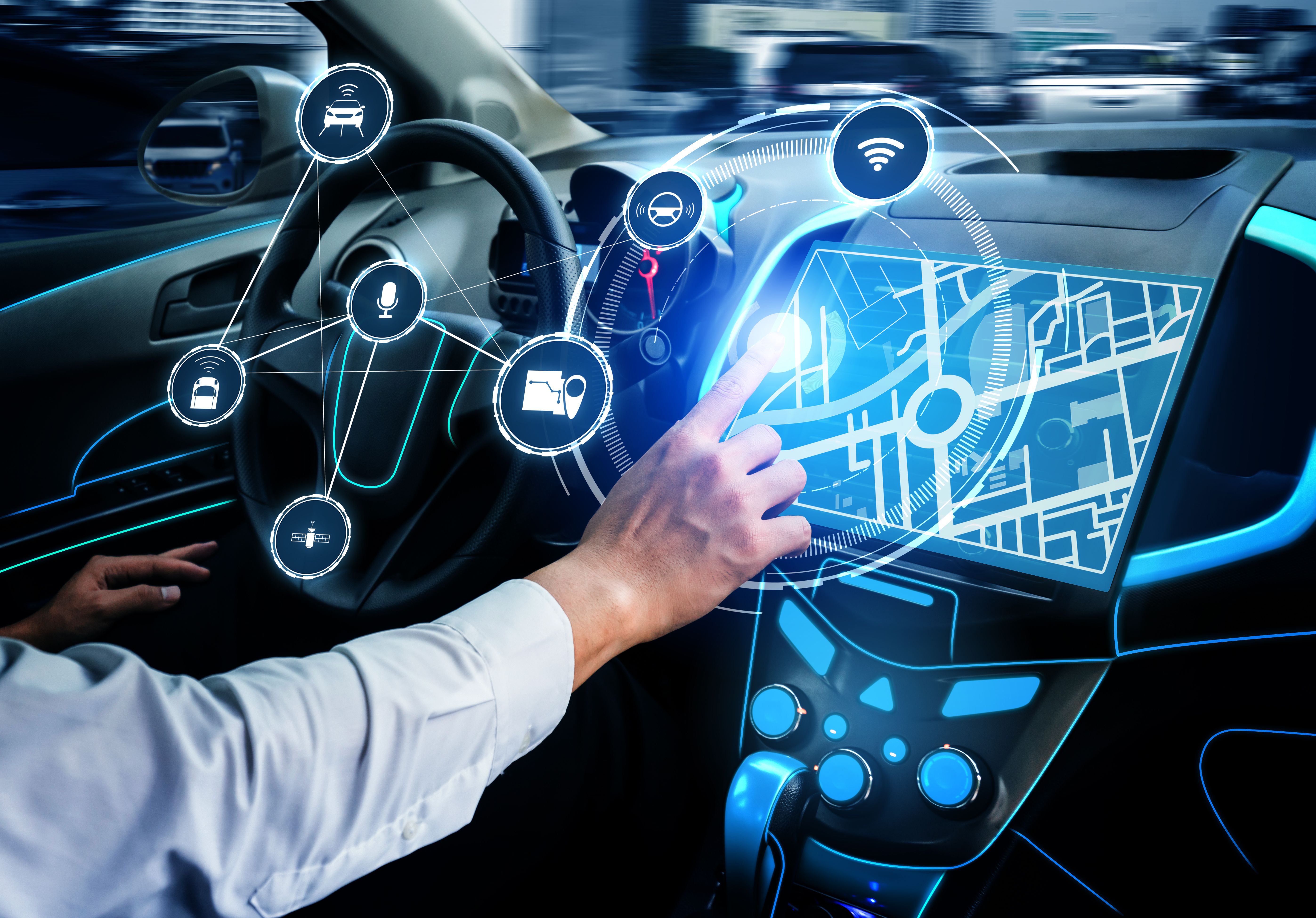
Modern EVs often rely on software for various functionalities. Manufacturers frequently release updates to improve performance, efficiency, and safety features. Ensure your vehicle's software is up-to-date by regularly checking for updates.
Some updates can be done over-the-air, while others might require a visit to the dealership. Keeping your software current can enhance your driving experience and maintain vehicle security.

Conclusion
By following these basic DIY maintenance tips, you can keep your EV running efficiently and extend its lifespan. While some tasks are manageable at home, never hesitate to consult a professional for more complex issues. Taking a proactive approach to EV maintenance will save you time and effort in the long run.