
Common Misconceptions About Hybrid Cars Debunked


Understanding Hybrid Cars
Hybrid cars have gained popularity over the years, but there are still many misconceptions about them. These vehicles combine a traditional internal combustion engine with an electric motor, offering a more sustainable driving option. However, some myths persist, deterring potential buyers from making the switch.
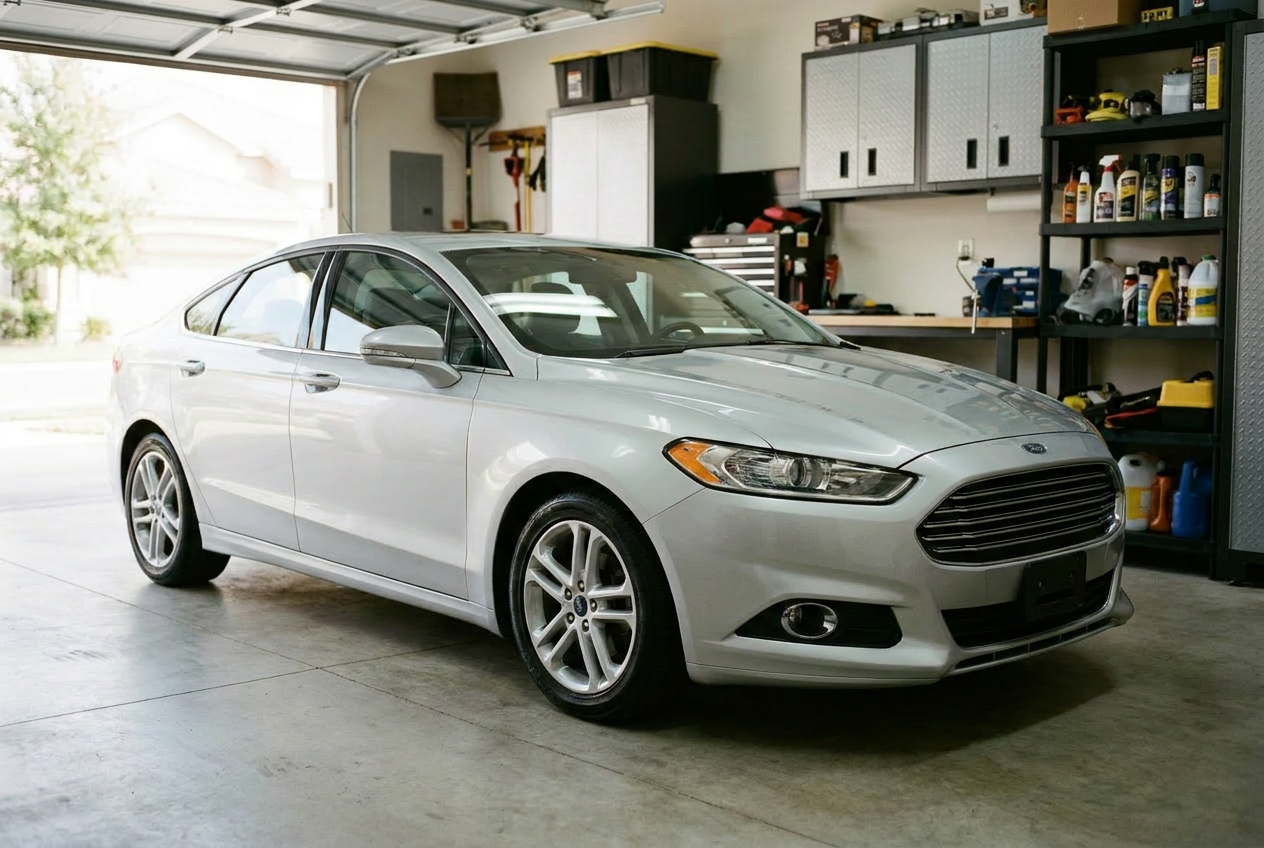
Myth 1: Hybrid Cars Are Expensive
One of the most common misconceptions is that hybrid cars are prohibitively expensive. While it's true that they may have a higher upfront cost compared to conventional vehicles, it's essential to consider the long-term savings. The reduced fuel consumption and potential tax incentives can lead to significant savings over time.
Additionally, with the increasing demand and technological advancements, the price gap between hybrid and regular cars is narrowing. Many manufacturers now offer affordable hybrid options that cater to various budgets.
Myth 2: Hybrids Are Underpowered
Another prevalent myth is that hybrid cars lack power. This stems from early models that prioritized fuel efficiency over performance. However, modern hybrids are equipped with powerful electric motors that can provide impressive acceleration and performance.
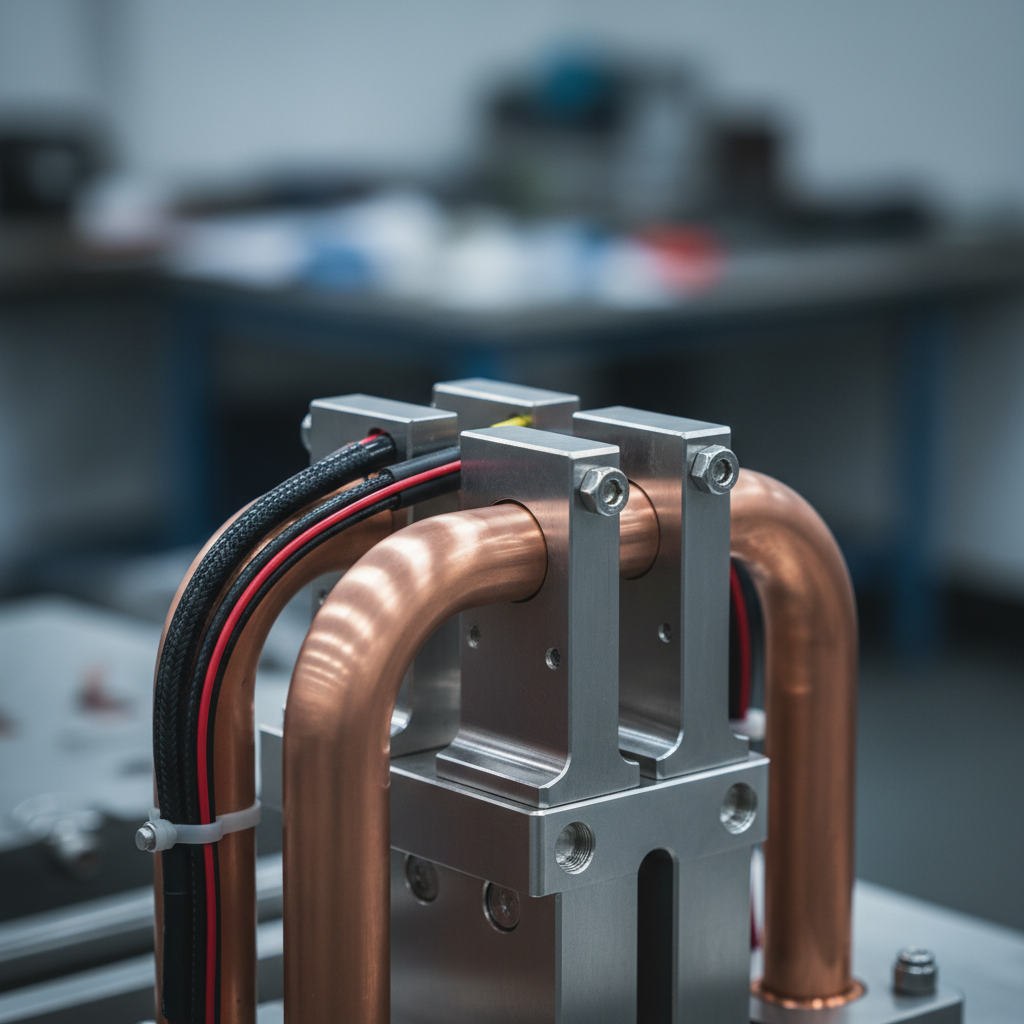
For instance, some hybrid models are designed specifically for performance, ensuring that drivers don't have to compromise on speed and power. The combination of electric and gas engines often results in a smoother and more responsive driving experience.
Myth 3: Battery Replacement Is Frequent and Costly
Many people worry about the cost and frequency of battery replacements in hybrid cars. In reality, hybrid batteries are designed to last the life of the vehicle—often over 100,000 miles. Manufacturers typically offer warranties that cover batteries for up to 8-10 years.
Moreover, the cost of hybrid batteries has decreased over the years, making replacements less financially daunting. Regular maintenance and following manufacturer guidelines can further extend battery life.
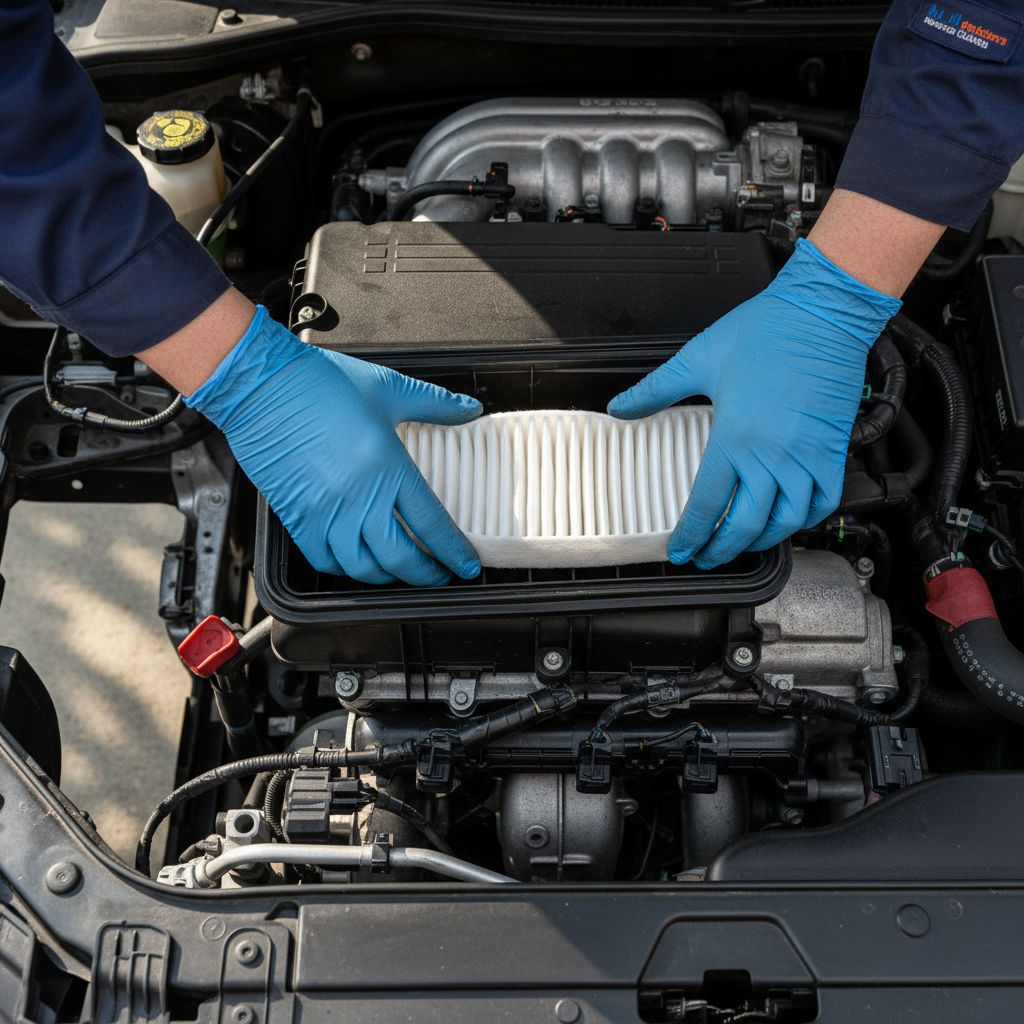
Myth 4: Hybrids Aren't Environmentally Friendly
Some skeptics argue that hybrids aren't as eco-friendly as they seem, citing battery production and disposal as environmental concerns. However, the overall reduction in emissions and fuel consumption significantly benefits the environment compared to traditional vehicles.
Manufacturers are continually improving battery technology to minimize environmental impact. Plus, the decrease in fossil fuel consumption contributes positively to reducing the carbon footprint.
Conclusion: Embracing Hybrid Technology
Understanding these common misconceptions can help potential buyers make informed decisions. Hybrid cars offer a balance of efficiency, performance, and environmental benefits. As technology advances, these vehicles will continue to become more accessible and appealing to a broader audience.
By debunking these myths, we can pave the way for a more sustainable future in automotive technology. Embracing hybrids might just be the step forward we need.