
Common Misconceptions About Hybrid and EV Maintenance


Understanding Maintenance for Hybrid and Electric Vehicles
As hybrid and electric vehicles (EVs) become more common, so do the misconceptions surrounding their maintenance. It's essential for potential buyers and owners to separate fact from fiction to maintain their vehicles efficiently and economically.
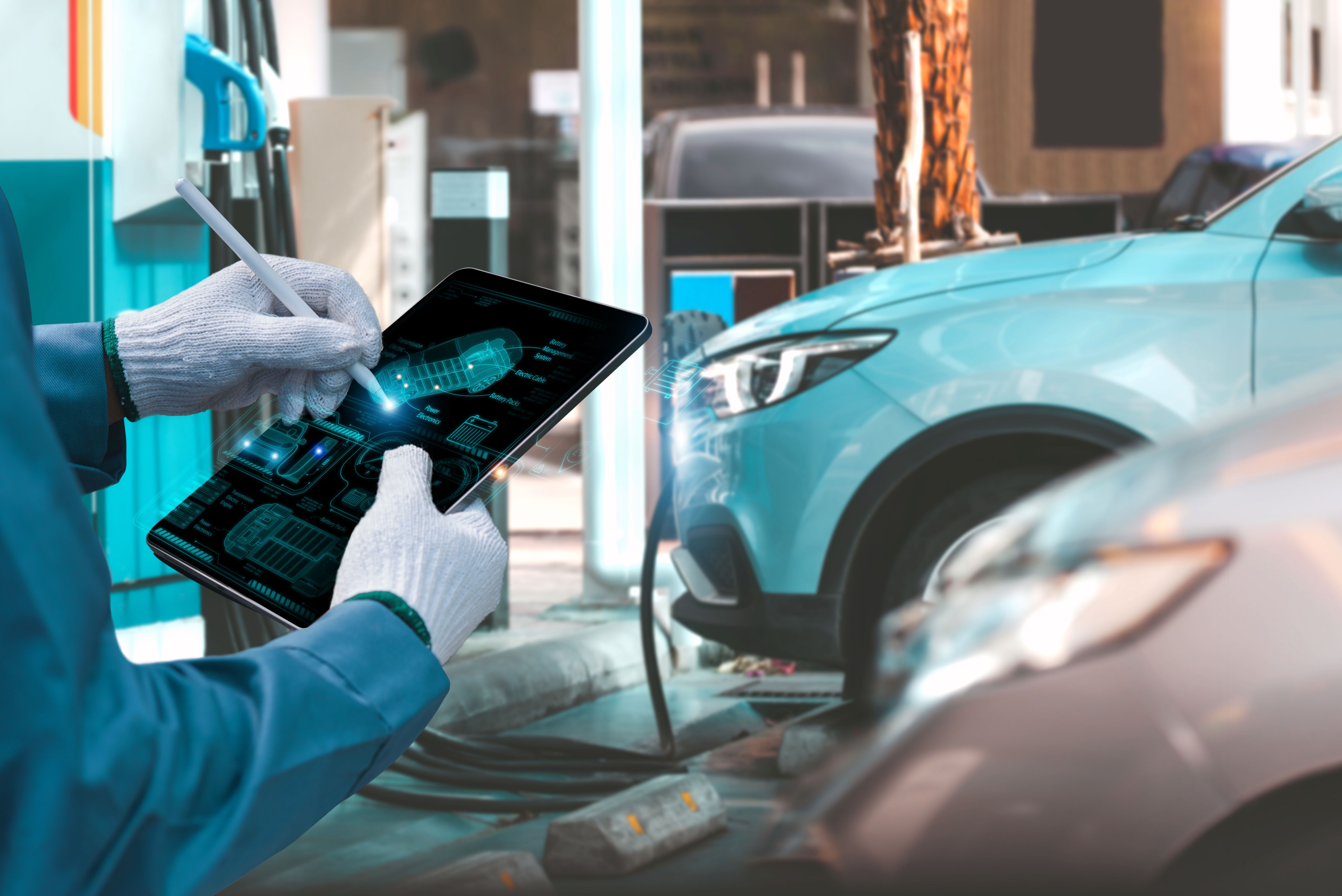
Misconception 1: Hybrid and EV Maintenance is More Expensive
One of the most prevalent misconceptions is that maintaining hybrids and EVs is costlier than traditional vehicles. While the upfront cost of these vehicles might be higher, they often have fewer moving parts, leading to reduced maintenance needs. Regular oil changes, for example, are not necessary for EVs, which can save significant costs over time.
Moreover, the regenerative braking system in these vehicles extends the life of brake pads, reducing the frequency of replacements. Thus, in many cases, the overall maintenance costs can be lower compared to conventional cars.
Misconception 2: Special Mechanics Are Required
Another common belief is that only specialized mechanics can service hybrids and EVs. While some components, like the battery system, may require specialized attention, many maintenance tasks can be handled by any qualified mechanic. Routine checks such as tire rotations, brake inspections, and fluid top-offs are similar to those of conventional vehicles.
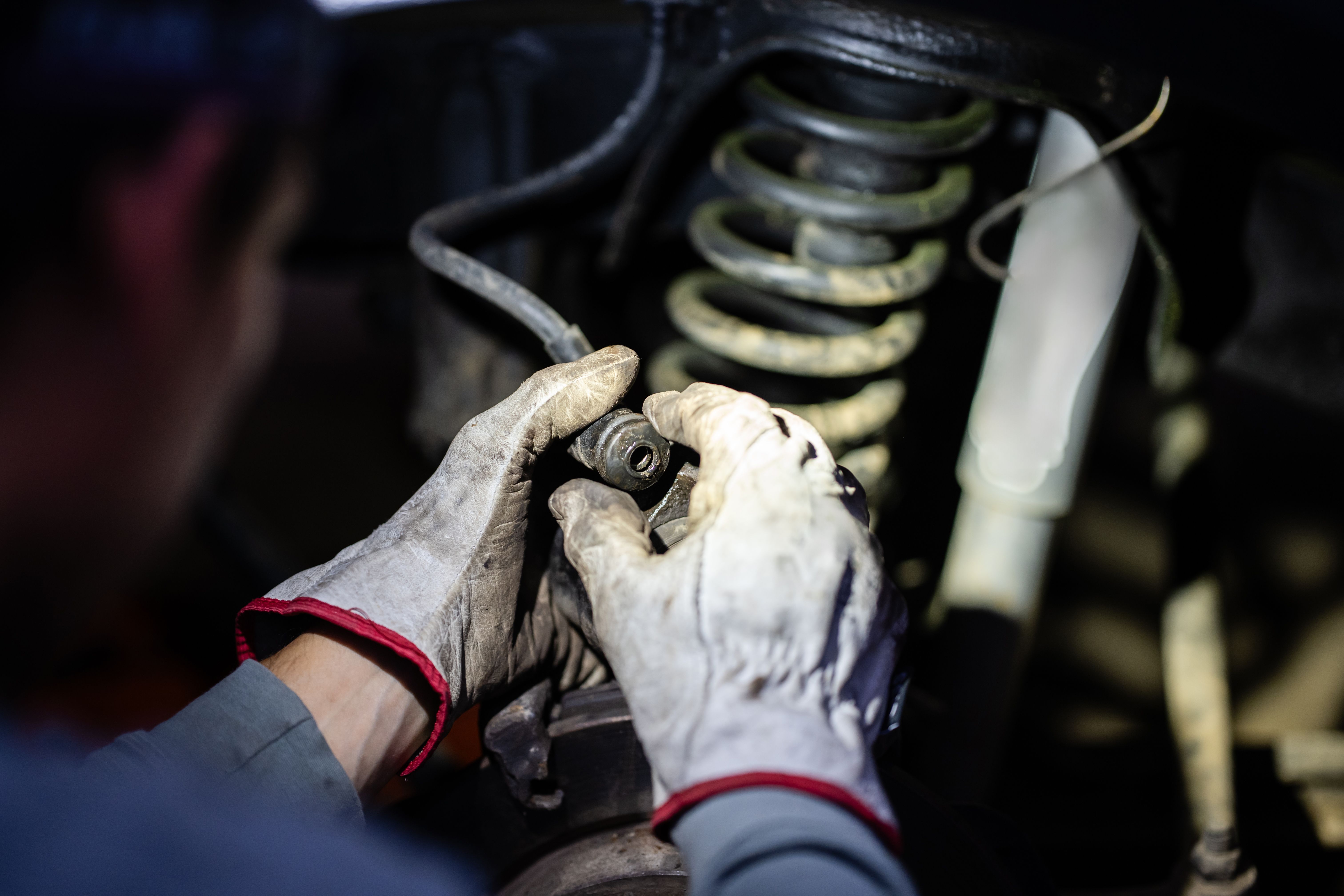
Misconception 3: Battery Replacement is Frequent and Costly
Many people worry about the lifespan and replacement cost of batteries in hybrids and EVs. However, advancements in battery technology have significantly increased their longevity. Most manufacturers offer warranties that cover the battery for many years, often up to eight years or 100,000 miles, providing peace of mind to owners.
Additionally, as technology evolves, the cost of battery replacement continues to decrease, making it less of a financial burden than it once was.
Misconception 4: Hybrids and EVs Are Not Suitable for Long Drives
Some believe that hybrids and EVs are not suitable for long distances due to limited range and charging infrastructure. However, many modern hybrids offer a range comparable to traditional vehicles, and the network of EV charging stations is expanding rapidly.
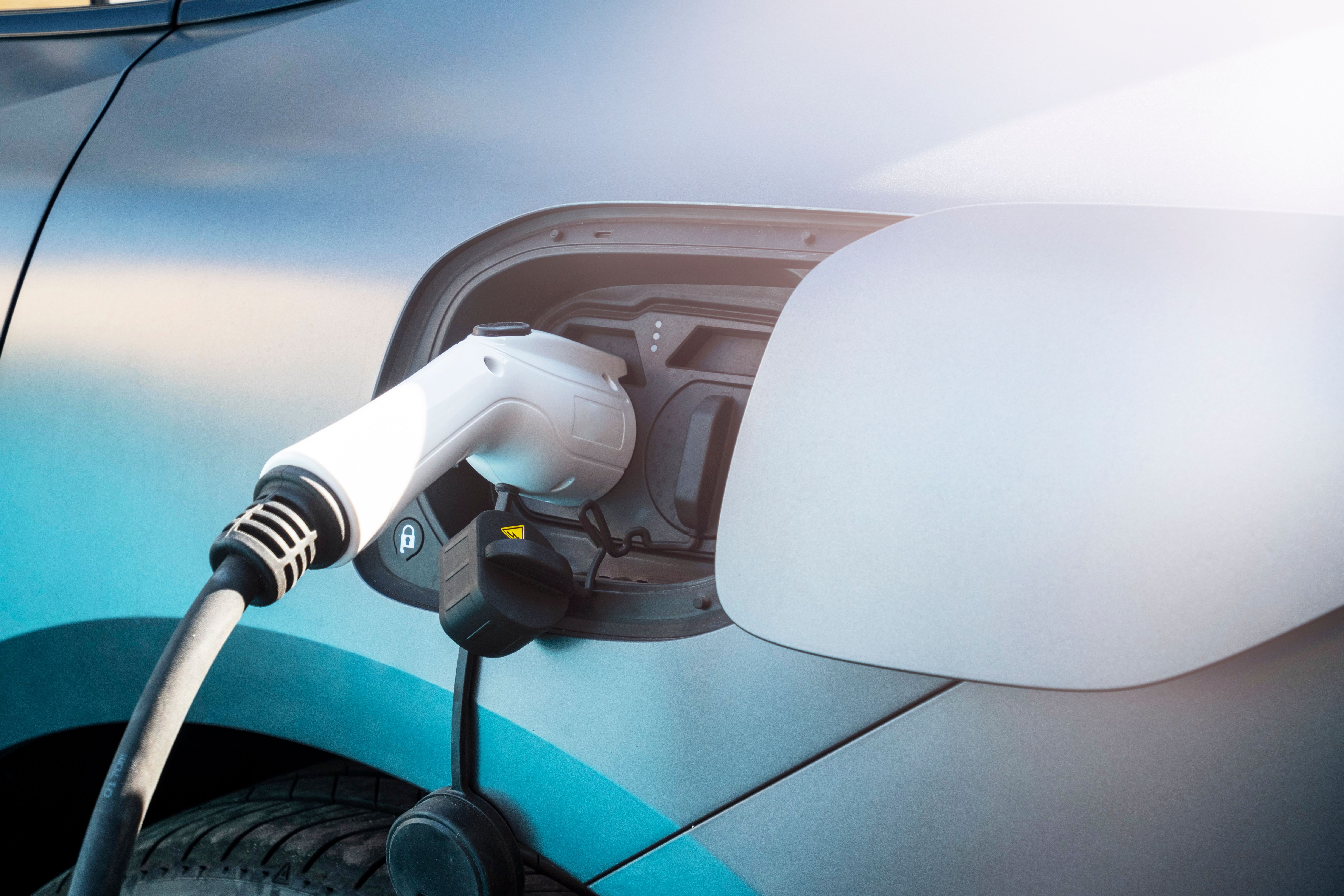
For pure EVs, planning trips with charging stations in mind can alleviate range anxiety. Many new models also feature fast-charging capabilities, allowing for quicker recharges during long journeys.
Conclusion: Embracing the Future of Automotive Maintenance
Understanding the realities of hybrid and EV maintenance is crucial for making informed decisions. These vehicles offer numerous advantages, including reduced emissions and lower operating costs. By debunking these misconceptions, owners can enjoy the benefits of their hybrid and electric vehicles with confidence.