
Common Misconceptions About EV Maintenance


Understanding EV Maintenance
As electric vehicles (EVs) continue to gain popularity, there are still many misconceptions surrounding their maintenance. While some people assume that EVs are complex and costly to maintain, the reality is often quite different. Understanding these common misconceptions can help you make informed decisions about owning and maintaining an EV.
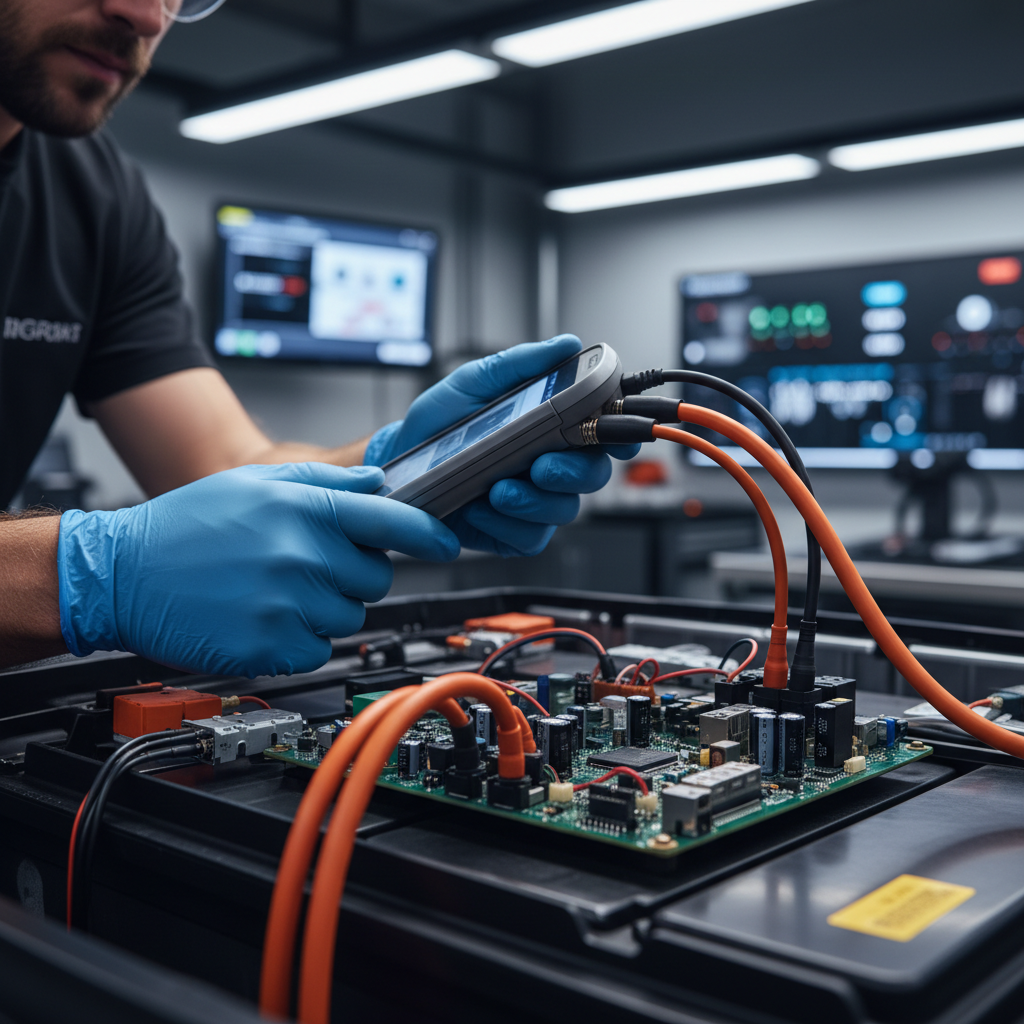
Misconception 1: EVs Require Frequent Battery Replacement
One of the biggest misconceptions is that EVs need frequent battery replacements. In truth, EV batteries are designed to last for a significant portion of the vehicle’s life. Most manufacturers offer warranties ranging from 8 to 10 years, or about 100,000 miles, ensuring peace of mind for the consumer.
Advancements in battery technology have significantly increased their longevity. Regular charging and proper maintenance can further extend the life of an EV battery, making it a reliable component of the vehicle.
Misconception 2: EV Maintenance Costs Are Higher
Another common belief is that maintaining an EV is more expensive than a traditional vehicle. However, EVs have fewer moving parts, which means fewer opportunities for things to go wrong. Components such as oil, spark plugs, and timing belts are nonexistent in EVs, reducing the need for regular replacements.
While the initial purchase price of an EV might be higher, the savings on maintenance and fuel costs can make them more economical in the long run. Regular software updates and minimal mechanical maintenance contribute to the overall affordability of EV ownership.
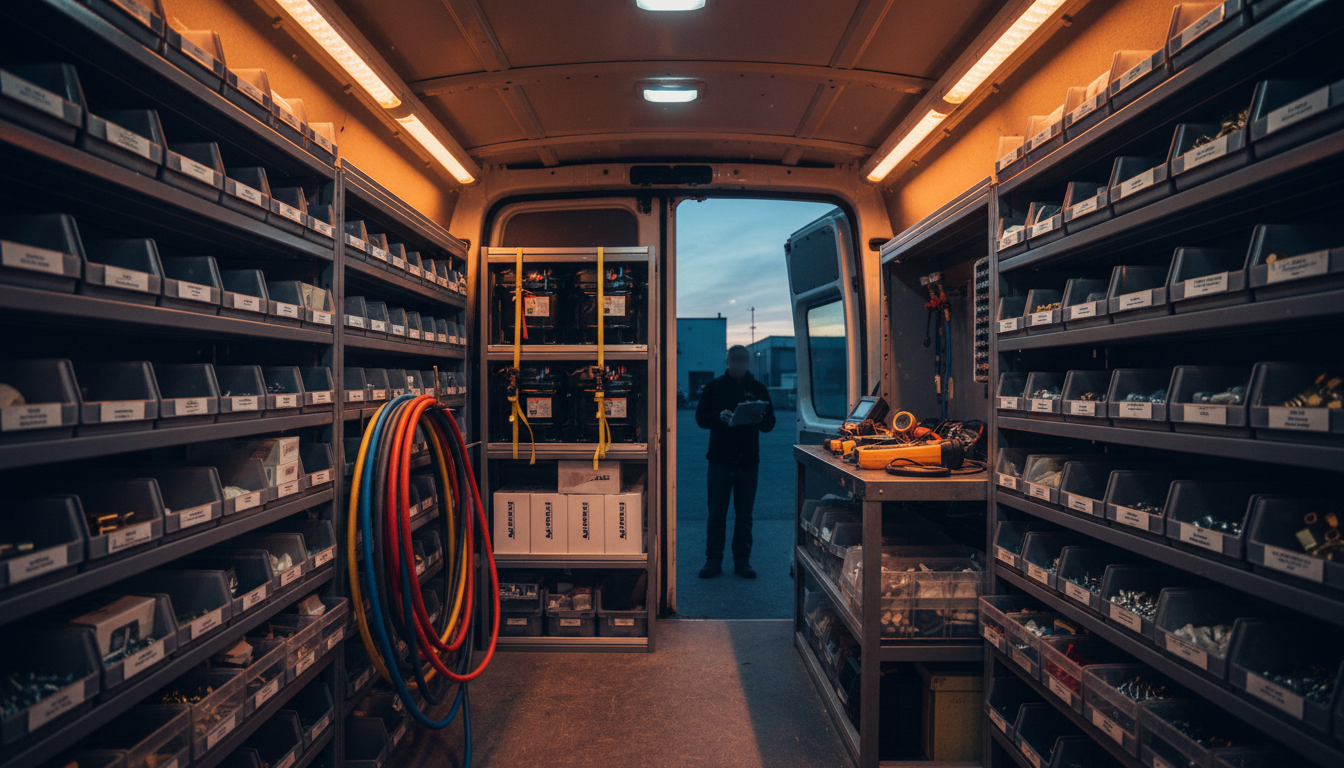
Misconception 3: EVs Are Prone to More Breakdowns
Some people believe that EVs are more prone to breakdowns due to their reliance on advanced technology. However, the simplicity of the electric motor, compared to internal combustion engines, reduces the likelihood of mechanical failures. EVs are generally more reliable, with fewer parts that can wear out over time.
Scheduled maintenance for EVs typically involves checking the electrical systems, brakes, and tires, which are straightforward and less frequent than traditional car maintenance. This contributes to the overall reliability and convenience of owning an EV.
Misconception 4: Charging EVs Is Complicated
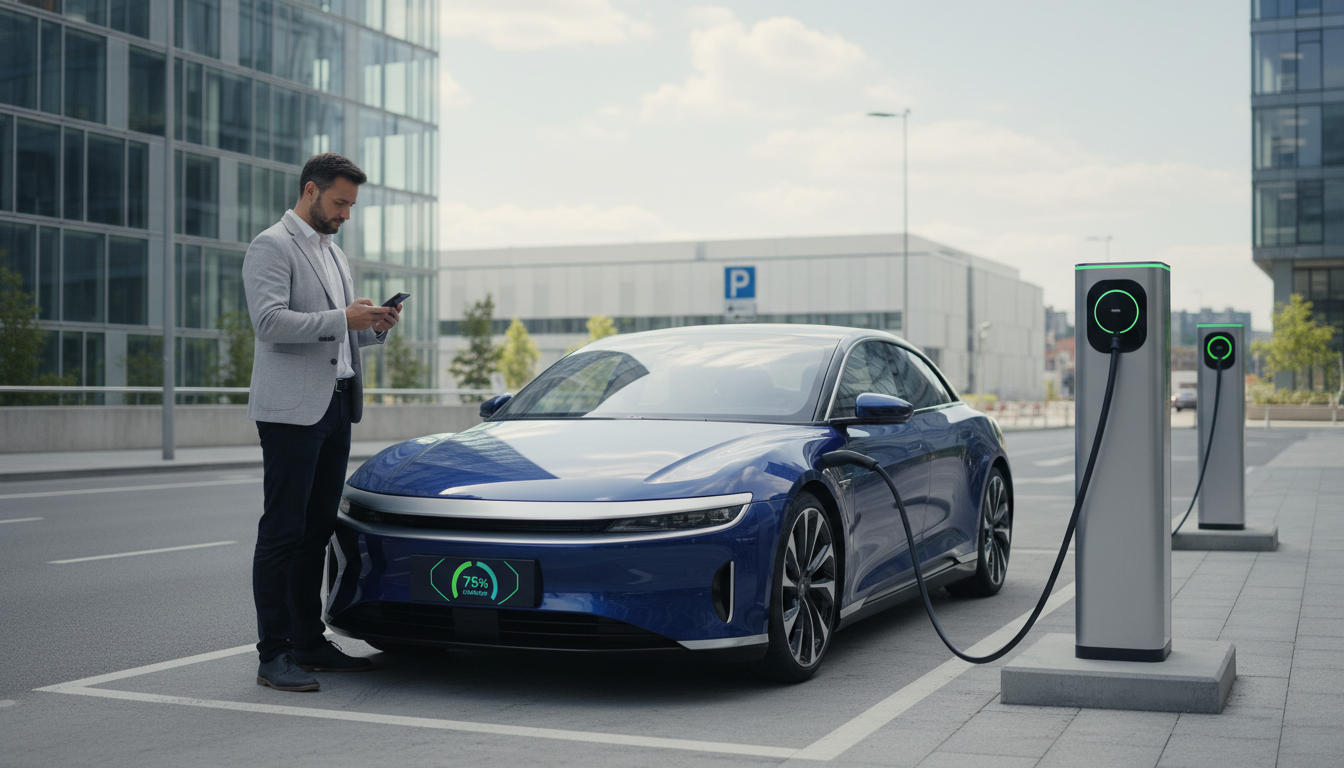
There is a misconception that charging an EV is a difficult and inconvenient process. In reality, charging an EV is becoming increasingly accessible with a growing network of public charging stations. Many EV owners also opt for home charging stations, making the process as simple as plugging in a smartphone.
Charging infrastructure is continuously improving, and with options like fast charging stations, EVs can be charged quickly and efficiently. Understanding the different types of charging options can help dispel this myth and highlight the convenience of EV ownership.
The Reality of EV Ownership
Owning an EV comes with many benefits, including lower maintenance costs, fewer mechanical issues, and the convenience of at-home charging. By addressing these misconceptions, prospective buyers can feel more confident in their decision to switch to an electric vehicle.
As technology continues to advance, the benefits of EV ownership are likely to increase, making them an attractive option for environmentally conscious and budget-savvy consumers alike.